Start with debris volume and frequency
Estimate how much floating debris arrives, what it is made of and how often the surface must be cleared. Plastics, leaves, algae and oil films call for different collection and unloading arrangements.
Match the vessel to the water area
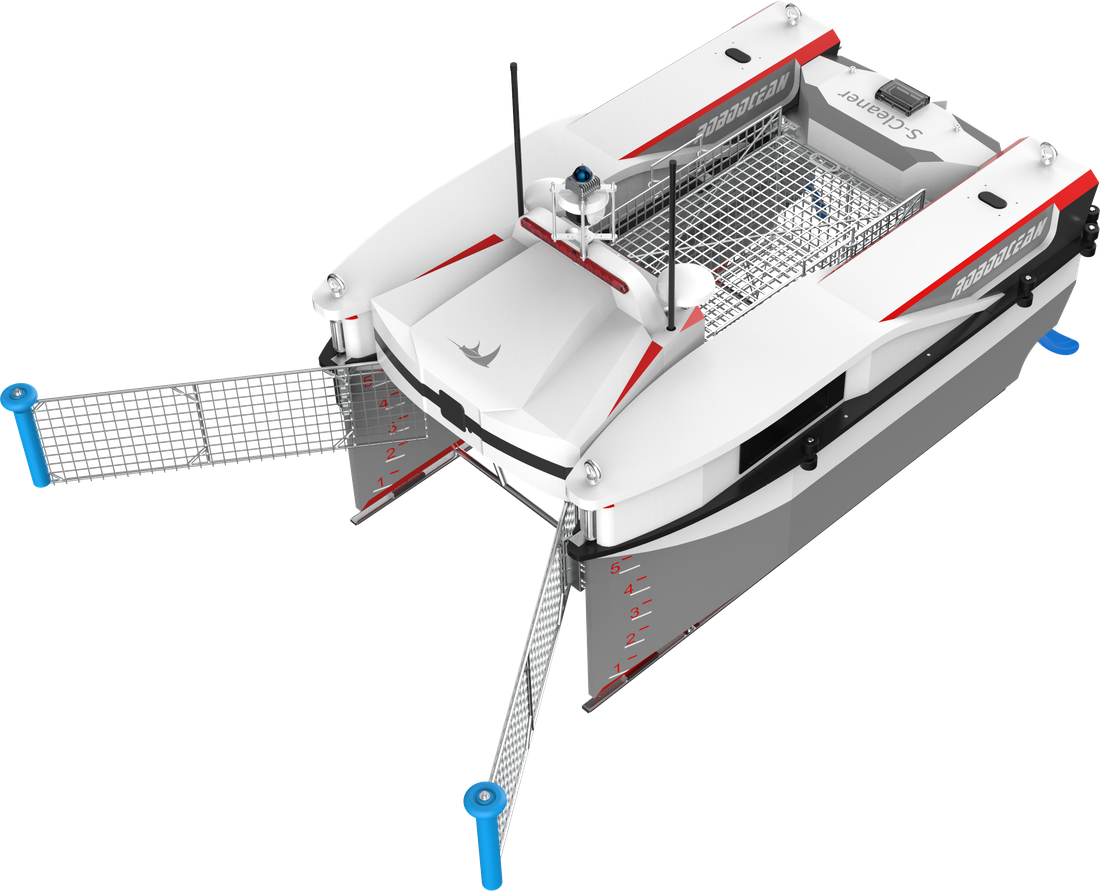
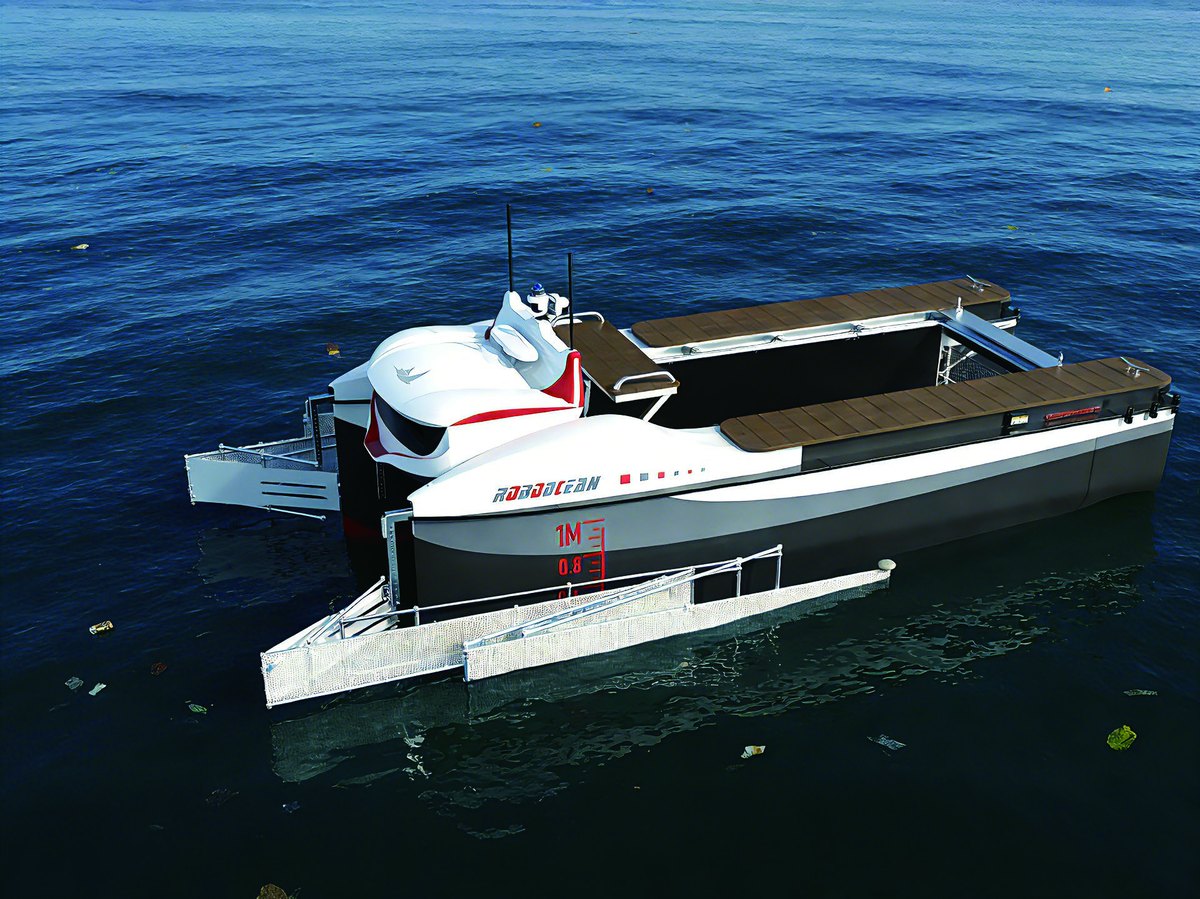
The S-Cleaner suits smaller and sheltered waters such as marinas, scenic lakes and reservoir inlets. The M-Cleaner, with a larger basket and hull, suits open harbours, coastal water within about 2 km of shore and large reservoirs.
Plan docking, charging and unloading
Each vessel needs a launch point, a mooring or docking station, charging and a place to empty the basket. Unloading trips reduce effective coverage, so plan them with the route.
Confirm permits, radio and supervision
Unmanned vessels depend on local waterway rules, radio certification for the remote link, insurance and a plan for manual takeover. Confirm these before purchase rather than after delivery.
Verify cleaning results
Agree how results will be measured: area covered, debris weight collected, operating hours and interventions. Ask for records from comparable sites and run an acceptance trial.