The short answer
Choose underwater cleaning when the required result is removing deposits from a submerged surface. Consider dredging when the task is collecting and transferring accumulated sediment. Some sites need both. Specify the material, access, required result and complete supporting system before selecting a robot: the attachment, pump, hoses, separation equipment and handling arrangements can determine whether the proposed configuration is suitable.
1. Define what must be clean, clear or removed
Start with the asset and the maintenance result. A hydropower intake may need accessible rack surfaces cleaned. A sump may need accumulated material collected from its floor. These requests involve different contact, conveyance and verification requirements, even if both are described informally as underwater cleaning.
Write down whether the objective is surface condition, restored clearance, a specified residual sediment level or removal of a measured quantity. Include the area or volume involved and how the owner intends to verify completion. A photograph of the robot alone cannot show that it will deliver the required result.
Separate the physical maintenance task from its expected operational benefit. For example, removing deposits may support an intake maintenance plan, but a supplier should not promise a particular flow improvement without the asset data and an agreed measurement basis. The purchasing specification should state what the proposed equipment must accomplish and what needs further engineering assessment.
2. Compare surface cleaning with sediment removal
The distinction below is a procurement starting point. It does not assign every deposit to one process. A mixed task may require a cleaning attachment, separate collection equipment and a reviewed sequence.
| Decision | Surface cleaning | Sediment removal |
|---|---|---|
| Primary target | Deposits or fouling attached to a structure | Accumulated material requiring collection and transfer |
| Typical purchasing question | Can the tool reach and clean the surface without unacceptable damage? | Can the complete system collect, convey and handle the material? |
| Important inputs | Geometry, substrate, coating and deposit characteristics | Sediment characteristics, access, transfer route and receiving capacity |
| Evidence to request | Comparable before-and-after views and substrate assessment | Defined quantity or residual level with a documented measurement method |
| Equipment starting point | A-80 and a reviewed cleaning attachment | AD-100 and a reviewed conveyance and treatment package |
Use the trash-rack cleaning application and underwater sump cleaning application to prepare different briefs. Do not combine their expected results into one unqualified productivity number.
3. Describe the material before requesting an attachment
A useful enquiry describes the target material as well as the structure. For surface work, provide photographs, the apparent thickness or extent of deposits, known coating details and previous cleaning records. Identify whether the task involves attached fouling, loose material or larger debris trapped against the structure.
For sediment work, provide available sampling or survey information. Relevant questions include particle-size distribution, large inclusions, fibrous material, estimated solids content and the distribution of deposits. State which information is measured and which is only an estimate. Unknown material should remain an explicit uncertainty in the proposal.
These inputs help the supplier assess tools, suction arrangements and downstream equipment. They also help determine whether a representative trial is needed before committing to a larger system. A trial should document the sample and configuration so its result can be compared with the actual site. It should not be presented as proof for every deposit type or every operating condition.
4. Check access and contact with the installed equipment
Record openings, rack spacing, angles, obstructions and the path between deployment and the work area. Include the dimensions of the complete configured robot, its attachment and the hose or tether arrangement. A platform that fits through an opening may still lack the space or orientation needed for effective contact.
For a rack or wall, ask how the proposed attachment reaches the required faces and how coverage will be checked. For a sump, identify corners, steps, internal structures and areas that the proposed collection arrangement may not reach. Record inaccessible areas as exclusions or questions for assessment.
Deployment and retrieval belong in the purchasing discussion. Provide available lifting space, access photographs and the location of surface equipment. The responsible site team and supplier should review the working arrangement. This guide defines information to exchange during procurement; operating instructions and site-specific procedures must come from the responsible parties for the selected system.
5. Treat the A-80 as a configuration starting point
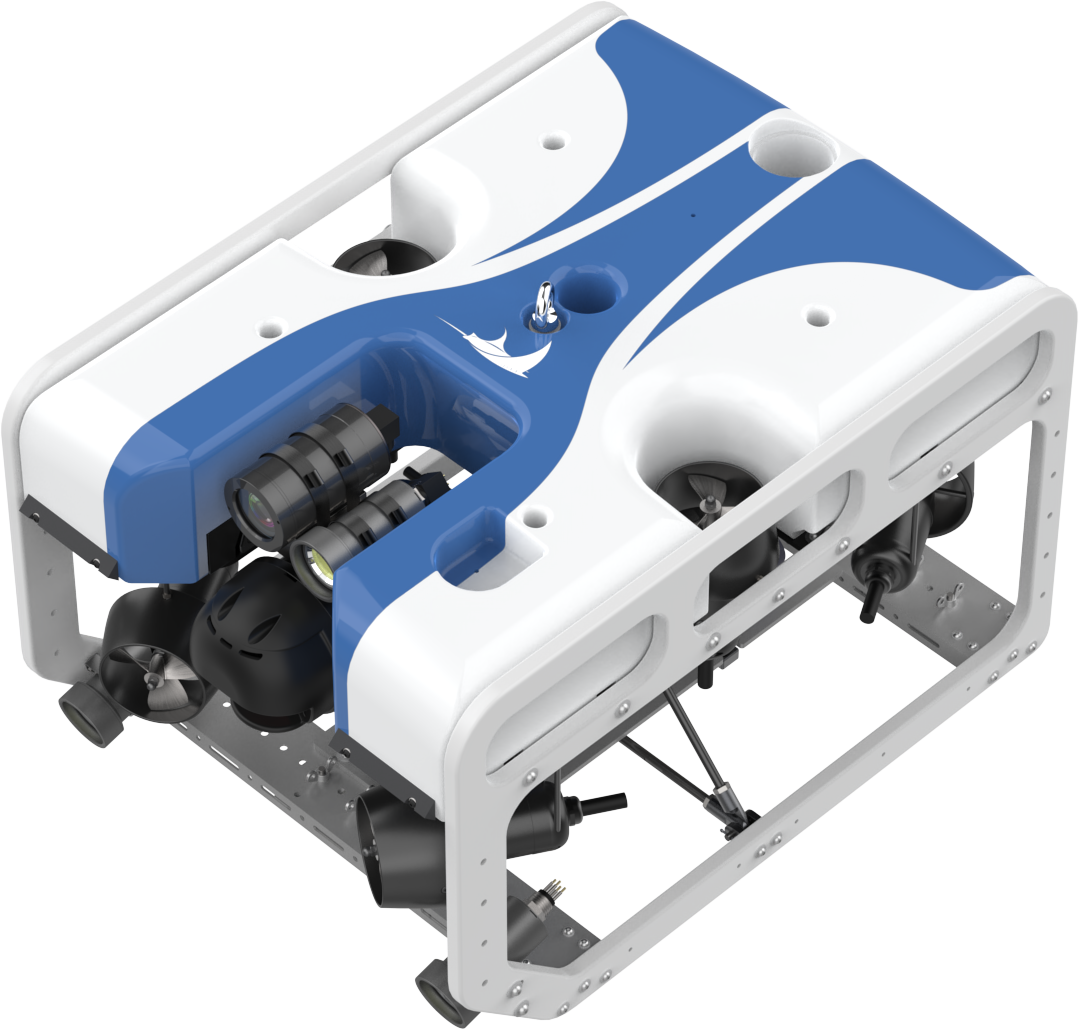
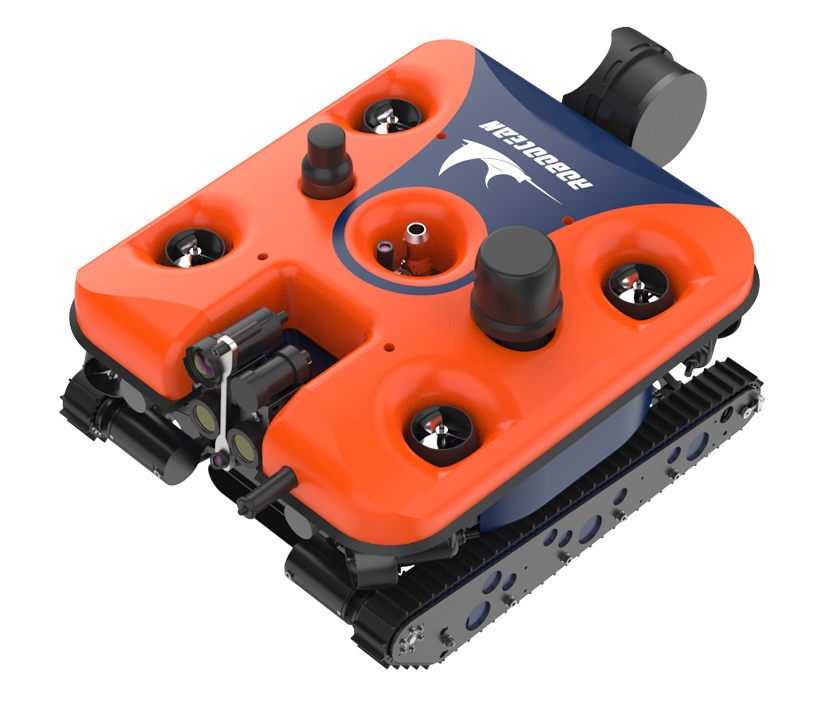
The supplied manufacturer information describes the A-80 as a floating and crawling platform for underwater contact cleaning, with cavitation water-jet and brush configurations subject to application review. The A-80 equipment page provides starting specifications and the information needed for an enquiry.
The attachment is central to the proposed result. Ask which tool is included, what supporting pump or power package it needs, and which substrate and deposit conditions have been evaluated. Confirm whether the quoted arrangement includes hoses, connectors, handling equipment and any consumables required for the proposed task.
The supplied brochure identifies a manufacturer application at the Baihetan hydropower intake trash rack in China. Our manufacturer case summary explains the scope of that reference. It is not a PanPan Marine overseas delivery or proof that the platform can remove every type of large debris. Request original evidence relevant to your rack geometry and cleaning objective.
6. Assess the AD-100 with its complete supporting system
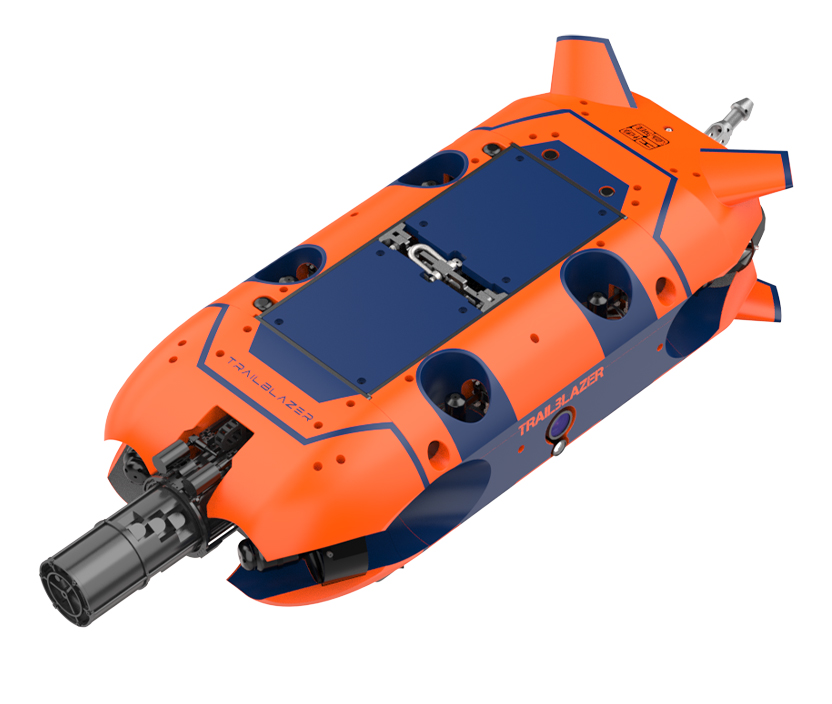
The supplied manufacturer brochure describes the AD-100 for underwater sump dredging. Its procurement scope should cover the robot and the collection, conveyance and material-handling arrangements together. Review the AD-100 equipment page alongside site drawings and the sediment brief.
Ask the supplier to identify the proposed pump, hose route, transfer distance, elevation changes and receiving equipment. Confirm the basis used to select that combination and the assumptions that still require site information. A quoted vehicle and an unspecified pump are not enough to establish a complete removal system.
Also identify what happens to material after collection. The site may need separation, temporary containment or another receiving arrangement. Define who supplies those elements, who coordinates interfaces and which capacities constrain the work. The proposal should state the included components and relevant exclusions in language that the purchasing and site teams can both review.
7. Put every capacity figure on a defined basis
The AD-100 brochure lists 5 m³/h for supporting mud-water separation equipment. That figure must not be advertised as a verified net dredging rate for the robot. A component capacity, mixture flow and quantity of sediment removed describe different things.
When comparing offers, ask what the stated rate measures, where it is measured and under which conditions. Clarify whether it concerns incoming mixture, separated material or another quantity. Request the material characteristics, configured equipment, test duration and relevant interruptions behind a performance example.
For project planning, agree how time will be counted: active collection, repositioning, handling, setup and maintenance can belong to different reporting periods. Where suitable evidence is unavailable, request a trial or a conditional planning estimate with its assumptions. Do not turn a component label into a guaranteed project completion date. A transparent measurement basis makes two quotations more comparable even when neither supplier can yet promise a final production rate.
8. Agree acceptance evidence before comparing prices
For surface cleaning, define representative areas, the intended condition and how the substrate will be assessed. Ask for comparable before-and-after evidence using a documented location reference. A clear image taken at a different angle or from another area may not support a useful comparison.
For sediment removal, define the required residual condition or removal quantity and the proposed verification method. The owner may require a survey, measurements at agreed locations or records of collected material. The method should fit the asset and the purpose of the work rather than being chosen only because it produces a convenient number.
Record exceptions such as inaccessible zones, unexpected material and incomplete coverage. Ask how they will be reported and reviewed. Sample deliverables can help the buyer understand the proposed evidence before purchase. Acceptance should refer to the agreed configuration and conditions; a manufacturer demonstration elsewhere is supporting information, not automatic acceptance at the buyer's site.
9. Compare total scope and support responsibilities
Request an itemized quotation covering the vehicle, attachment, pump where applicable, hoses, tether, control station and handling equipment. Identify optional items separately. Ask for proposed commissioning, training, documentation, recommended spares and the stated support arrangement.
Compare recurring requirements such as consumables, tool replacement and planned maintenance using the supplier's actual information. Confirm what the buyer must provide at the site. An offer that excludes a major supporting component cannot be compared directly with a complete package solely on its headline price.
For an overseas purchase, state the destination and requested delivery terms so the commercial scope can be reviewed. Ask for the documents available for the offered configuration and resolve country-specific requirements during the quotation process. PanPan Marine coordinates equipment selection and manufacturer discussions; project commitments should be recorded in the proposal and contract rather than inferred from a general article.
10. Send a brief that supports a useful recommendation
Provide the asset type, maintenance objective, drawings or photographs, access constraints and available material information. Add the expected work area or sediment volume, destination and project timing. State whether you are buying equipment, assessing a maintenance approach or seeking help to define a suitable package.
List unanswered questions explicitly. Missing survey information or uncertain material conditions can change the next step from a firm quotation to a technical review or representative trial. That is useful progress when it prevents a poorly defined purchase.
Use the project enquiry page to prepare your brief. It opens an email draft for you to send. A well-defined task lets PanPan Marine and the manufacturer discuss the relevant configuration, evidence and commercial scope before selecting an equipment model.
Frequently asked questions
What is the main difference between underwater cleaning and dredging?
Surface cleaning targets deposits on a submerged structure; dredging concerns collecting and transferring accumulated material. The correct approach depends on the required result, material and access. Mixed tasks may need both processes and a coordinated supporting system.
Can an A-80 replace every trash-rack cleaning machine?
No such universal suitability is established by the available manufacturer reference. Review rack geometry, deposit type, attachment, access and required results. Removing surface deposits is a different task from extracting every type of large trapped debris.
Does the AD-100 remove 5 cubic metres of sediment per hour?
The supplied brochure's 5 m³/h figure describes supporting mud-water separation equipment. It does not establish the robot's net sediment-removal productivity. Request a separate measured basis for the complete proposed system and relevant material conditions.
What information is needed to select a dredging package?
Provide sediment information, estimated quantity and distribution, access geometry, transfer route, elevation changes, available utilities and the receiving or treatment arrangement. State uncertainties so the supplier can identify what requires further assessment or a trial.
How should buyers compare underwater cleaning quotations?
Compare the required result and complete scope: vehicle, attachment, supporting equipment, handling, evidence, training, spares and responsibilities. Use the same site assumptions and acceptance method, and identify exclusions before comparing prices.
Sources & scope
- Boya Gongdao: official A-80 product information
- Boya Gongdao supplied product brochure — Source for the A-80 application reference and AD-100 system description. The AD-100 illustration is on PDF page 32; confirm the offered version and capacity definitions against the quotation.
This guide offers procurement-planning guidance. Manufacturer specifications, site feasibility and contractual responsibilities are confirmed for the proposed system; this page is not an operating procedure.